

28
Aug
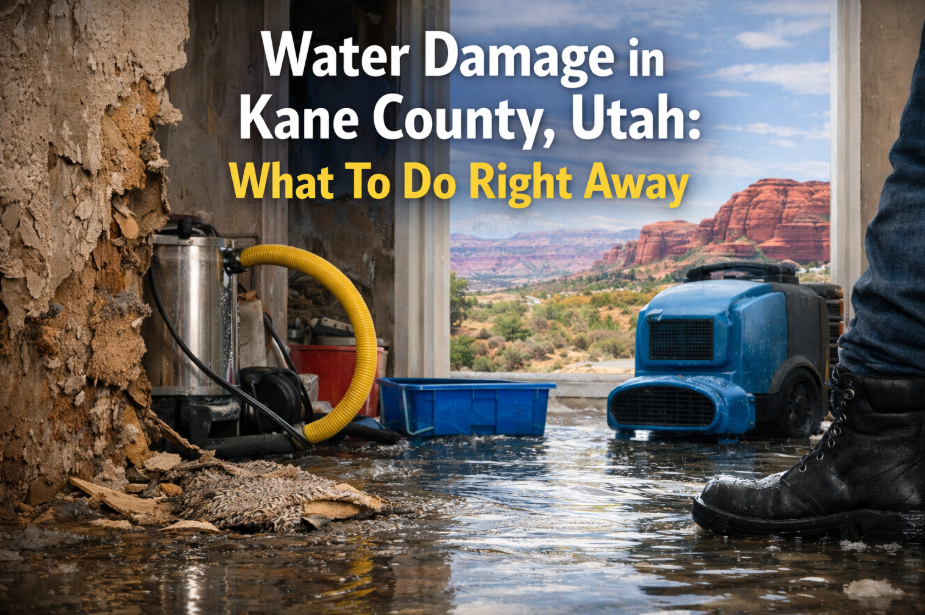
Water Damage in Kane County, Utah: What To Do Right Away
Water damage in Kane County, Utah, can throw your whole day off in a matter of minutes. One burst pipe, one leaking appliance, or one roof problem can leave you dealing with soaked floors, damaged walls, and a mess that keeps spreading the longer it sits. What starts as a small problem can turn into a much bigger repair if it is not handled fast.
At 911 Restoration, we know how overwhelming that moment feels. You see the water, you start thinking about the damage, and you wonder how bad it really is. The truth is that quick action can make a major difference. Acting fast can help limit structural damage, lower cleanup costs, and reduce the chance of mold growth.
If you are dealing with water damage that homeowners in Kane County, Utah, face all too often, here is what you need to know and what to do first.
Why Water Damage Needs Immediate Attention
Water has a way of getting everywhere. It does not stay in one neat little area and wait for you to catch up. It spreads into drywall, flooring, baseboards, insulation, and framing. Even if the surface looks manageable, moisture can continue to move behind the scenes.
That is what makes water damage so frustrating. The mess you can see is often only part of the problem. The longer that moisture sits, the more damage it can cause. Floors can warp, drywall can weaken, wood can swell, and odors can begin to settle into the property.
That is why we move quickly. Fast water removal and drying can help stop the damage from spreading and put your home or business on the path to a Fresh Start.
Common Causes of Water Damage in Kane County Homes
Water damage can happen in many ways, and not all of them look dramatic at first.
A burst or leaking pipe is one of the most common causes. Plumbing lines can fail behind walls, under sinks, or in utility areas without much warning. Water heaters can also leak and create serious damage before homeowners realize what happened.
Appliances are another big one. Washing machines, dishwashers, and refrigerators can all cause water damage when hoses crack, drains clog, or connections come loose. Roof leaks can also allow moisture to seep in slowly over time, making the damage harder to spot until stains, odors, or soft materials start to show up.
Overflowing toilets, tubs, and sinks can soak floors fast. Hidden leaks are just as dangerous because they can keep feeding moisture into walls and subfloors long after the first signs appear.
No matter how it starts, water damage should never be ignored. Small issues have a way of turning into expensive repairs if left alone.
Signs You May Have Water Damage
Sometimes water damage is obvious. Other times, it gives you smaller warnings before the problem becomes impossible to miss.
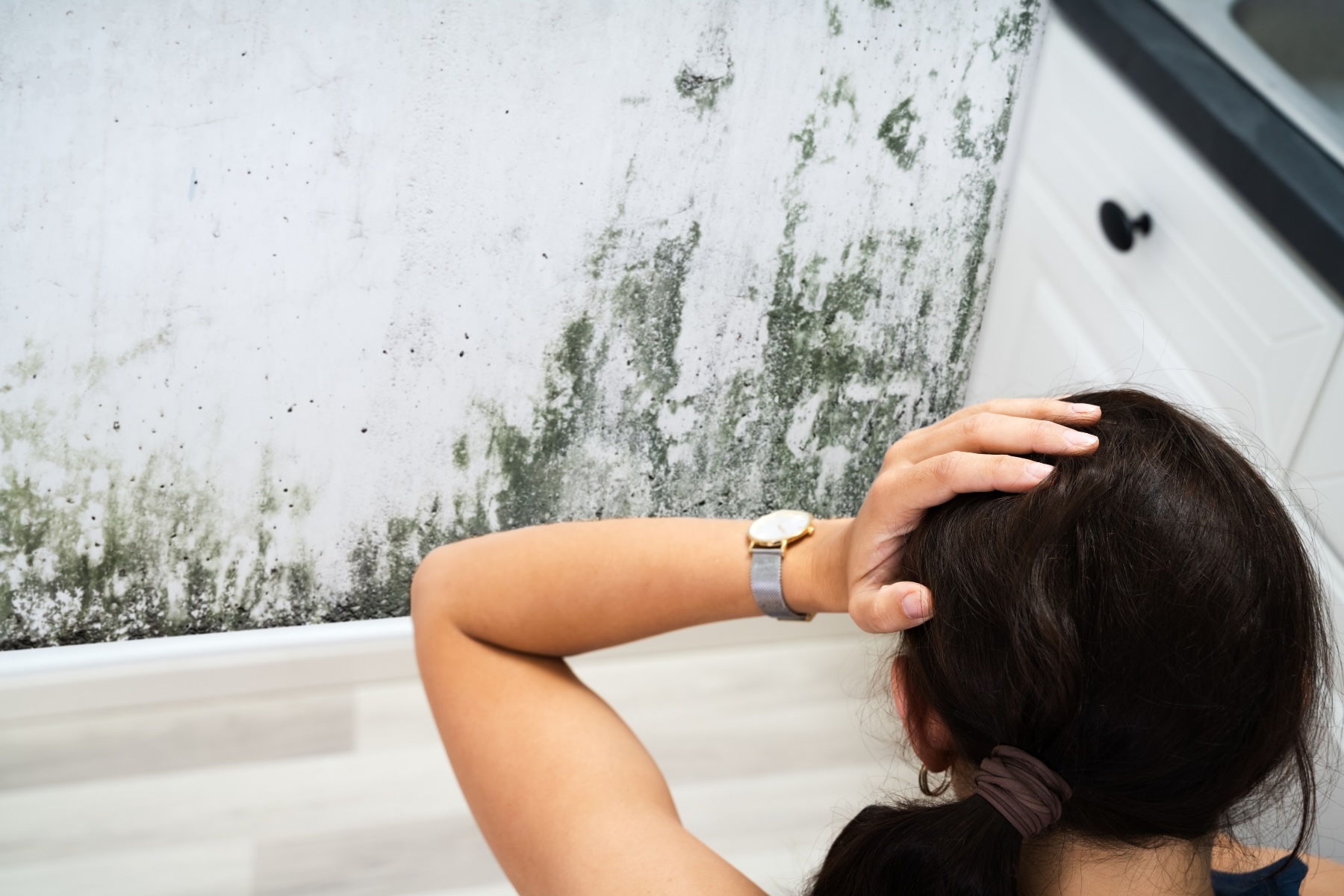
You may notice stains on walls or ceilings. These often appear yellow, brown, or dark and can indicate active moisture problems. Paint may begin peeling or bubbling. Drywall can start feeling soft. Baseboards may swell or pull away from the wall.
Flooring can also change when water gets underneath it. Hardwood may cup or warp. Laminates can lift. The tile can loosen. The carpet may feel damp longer than it should.
A musty smell is another warning sign. If part of your property smells damp or stale, hidden moisture may be trapped behind surfaces. In some cases, visible mold may start to appear around wet areas.
You might even see your water bill rise for no clear reason. That can point to a plumbing leak hiding somewhere in the home.
If you notice any of these signs, it is time to act fast.
What To Do First After Water Damage
The first step is to stay calm and focus on safety. Water damage is stressful, but taking the right steps right away can help protect your property.
Start by stopping the water source if you can do so safely. If a pipe has burst, shut off the main water supply. If an appliance is leaking, turn it off. If water is near outlets or electrical equipment, do not step into the area until it is safe.
Next, keep people and pets away from the affected space. Wet floors can become slippery. Water near electrical sources can be dangerous. If the ceiling is sagging or the materials look unstable, stay out of that area.
After that, document the damage. Take photos and videos of everything you can see. Capture the flooring, walls, furniture, and the source of the water, if visible. This can help with insurance and create a record of the damage before cleanup begins.
If it is safe to do so, move rugs, electronics, documents, and valuables away from the wet area. Lift furniture off wet flooring if possible to help reduce further damage.
Then call a professional water damage restoration company in Kane County. The faster we can begin water extraction, drying, and moisture detection, the greater your chance of limiting long-term damage.
Why Fast Cleanup Matters
Water damage does not pause while you think about it. The clock starts right away.
Moisture begins soaking into surrounding materials almost immediately. Drywall absorbs it. Flooring traps it. Wood framing can hold it. The longer that moisture stays in place, the harder it becomes to fully clean and dry the property.
Fast cleanup also helps reduce the risk of mold growth. Damp areas create the kind of conditions mold needs to spread. That is one more reason why quick drying matters just as much as removing standing water.
Waiting can also increase repair costs. A minor issue can become a major restoration project when water has more time to travel, settle, and weaken materials. Quick action helps protect your home, your belongings, and your budget.
Our Water Damage Restoration Process
When we arrive, we do not just look at the surface and guess. We inspect the property carefully to understand where the water came from, how far it spread, and where moisture may be hiding.
The first major step is water extraction. Standing water needs to be removed as quickly as possible. After that, we begin drying and dehumidification. This part is critical because surfaces may start to look better before the deeper moisture is actually gone.
We use professional equipment to dry affected materials and monitor moisture levels throughout the process. That helps us target the damage you can see and the moisture you cannot.
Once the property is dry, we clean and sanitize affected areas as needed. If materials have been damaged beyond recovery, we address those next steps and move into restoration. Our goal is not to offer a quick patch job. Our goal is to restore your property the right way and help you move forward with confidence.
Can Water Damage Lead To Mold?
Yes, it can, especially when moisture is left behind.
Mold does not need much to start growing. If water sits inside walls, under flooring, or in damp materials, mold can begin developing before many property owners realize there is a bigger issue.
That is one of the reasons full drying matters so much. Removing visible water is only one part of the job. Hidden moisture has to be found and addressed, too. Otherwise, the problem can continue even after the obvious mess is gone.
If you notice musty odors, discoloration, or signs of growth after a leak or flood, it is important to take that seriously. Water damage and mold often go hand in hand when cleanup is delayed or incomplete.
Why DIY Cleanup Often Misses Hidden Damage
We understand why property owners want to jump in and handle the cleanup themselves. In the moment, grabbing towels and setting up fans feels like the fastest way to fight back.
That can help with the surface water, but it usually does not solve the full problem.
Water has a way of slipping under flooring, behind walls, and into porous materials that household tools cannot properly reach. A room may look dry and still hold enough moisture to keep damaging materials underneath the surface.
Professional water damage restoration goes deeper. We use equipment designed to detect, remove, and dry hidden moisture. That helps reduce the risk of ongoing damage, odors, and mold growth.
Taking quick action on your own is smart. Stopping the source and protecting your belongings matters. Full restoration, though, often takes more than a mop, a fan, and hope.
Choosing the Right Water Damage Restoration Company in Kane County
When you need help, you want a team that shows up fast, communicates clearly, and knows how to handle every stage of the cleanup.
Look for a company that offers emergency response, has experience with water extraction and drying, and can fully restore the affected area. You should feel confident that the team working on your property knows how to find hidden moisture, prevent bigger issues, and walk you through the process without making it more stressful.
Water damage is already disruptive enough. You should not have to chase answers or wonder what happens next.
At 911 Restoration, we believe in showing up ready to help, ready to explain the process, and ready to get your property moving toward a fresh start.
Water Damage in Kane County, Utah Calls for Fast Action
If you are dealing with water damage in Kane County, Utah, do not wait for the problem to get worse. Water rarely stays where it started, and delays can lead to bigger repairs, more serious damage, and a longer recovery process.
Fast action can help protect your floors, walls, belongings, and peace of mind. The sooner cleanup begins, the sooner restoration can start. Contact our restoration experts right now so we can help.
FAQs About Water Damage in Kane County, Utah
What should I do first after water damage in Kane County, Utah?
Start by stopping the water source if it’s safe to do so. Shut off the main water supply for a burst pipe or turn off a leaking appliance. Keep people and pets away from the area, especially if water is near outlets or the ceiling looks unstable.
Why does water damage need immediate attention?
Water spreads fast into drywall, flooring, insulation, and framing. Even when the damage looks minor on the surface, hidden moisture can keep spreading and cause bigger structural problems, odors, and mold.
What are the most common causes of water damage in Kane County homes?
Common causes include burst or leaking pipes, water heater leaks, appliance failures, roof leaks, overflowing toilets, tubs, and sinks, along with hidden plumbing leaks behind walls or under floors.
How can I tell if I have water damage in my home?
Watch for wall or ceiling stains, peeling paint, soft drywall, swollen baseboards, warped flooring, loose tile, damp carpet, musty odors, visible mold, or an unexplained increase in your water bill.
Can water damage lead to mold growth?
Yes. If moisture is left behind in walls, under flooring, or inside other materials, mold can begin growing quickly. That’s why complete drying is just as important as removing standing water.
Is water damage always obvious right away?
No. Some water damage is easy to spot, but hidden leaks can cause damage slowly over time. You might first notice stains, odors, bubbling paint, or flooring changes before you ever see standing water.
Why is fast cleanup so important after water damage?
Quick cleanup helps limit structural damage, lowers repair costs, and reduces the risk of mold growth. The longer moisture sits, the harder it becomes to fully dry and restore the affected space.
What should I document after water damage happens?
Take photos and videos of the affected floors, walls, furniture, and the source of the water if you can see it. This helps create a record for insurance and shows the condition of the property before cleanup starts.
Should I move my belongings after water damage?
Yes, if it’s safe. Move rugs, electronics, paperwork, and valuables away from the wet area. Lifting furniture off wet flooring can also help reduce further damage.
Can I clean up the water damage myself?
You can take basic first steps like stopping the source and removing valuables, but DIY cleanup often misses hidden moisture under floors and behind walls. Surface drying alone usually isn’t enough for full restoration.
Why does DIY water damage cleanup often fall short?
Household fans, towels, and mops may remove visible water, but they usually can’t detect or dry trapped moisture inside porous materials. That hidden moisture can keep causing damage and lead to odors or mold.
What does a professional water damage restoration process include?
It usually starts with a full inspection, followed by water extraction, drying, dehumidification, moisture monitoring, cleaning, sanitizing, and any restoration work needed to repair damaged materials.
What happens during water extraction and drying?
Standing water is removed first. After that, professional drying and dehumidification equipment is used to pull moisture from materials and the air, including moisture that may not be visible.
How do professionals find hidden moisture?
Restoration teams inspect the property carefully and use professional moisture detection tools to locate water trapped behind walls, under floors, and in other hidden areas.
How do I choose the right water damage restoration company in Kane County?
Look for a company that responds quickly, communicates clearly, offers emergency help, has experience with extraction and drying, and can fully restore the property instead of only handling surface cleanup.
When should I call a water damage restoration company?
You should call as soon as possible after discovering water damage. The faster professionals begin extraction and drying, the better the chances of limiting long-term damage.
Is water damage a problem for both homes and businesses?
Yes. Water damage can affect both residential and commercial properties, and in either case, fast action is important to protect the building and its contents.
What makes water damage in Kane County, Utah especially stressful?
It can happen suddenly and spread fast, turning a small issue into major repairs. The stress often comes from not knowing how far the damage has spread or how serious the hidden moisture problem may be.
Can a small leak really turn into expensive repairs?
Yes. Even small leaks can keep feeding moisture into walls, floors, and subfloors. Left alone, that can lead to larger repairs, mold problems, and more expensive restoration work.
What’s the biggest takeaway if I discover water damage?
Act fast. Stopping the source, protecting the area, documenting the damage, and calling a restoration professional right away can help reduce the overall damage and speed up recovery.
Latest Posts
Contact Us
For Advice
Need help? Talk to an expert
(435) 210-7978